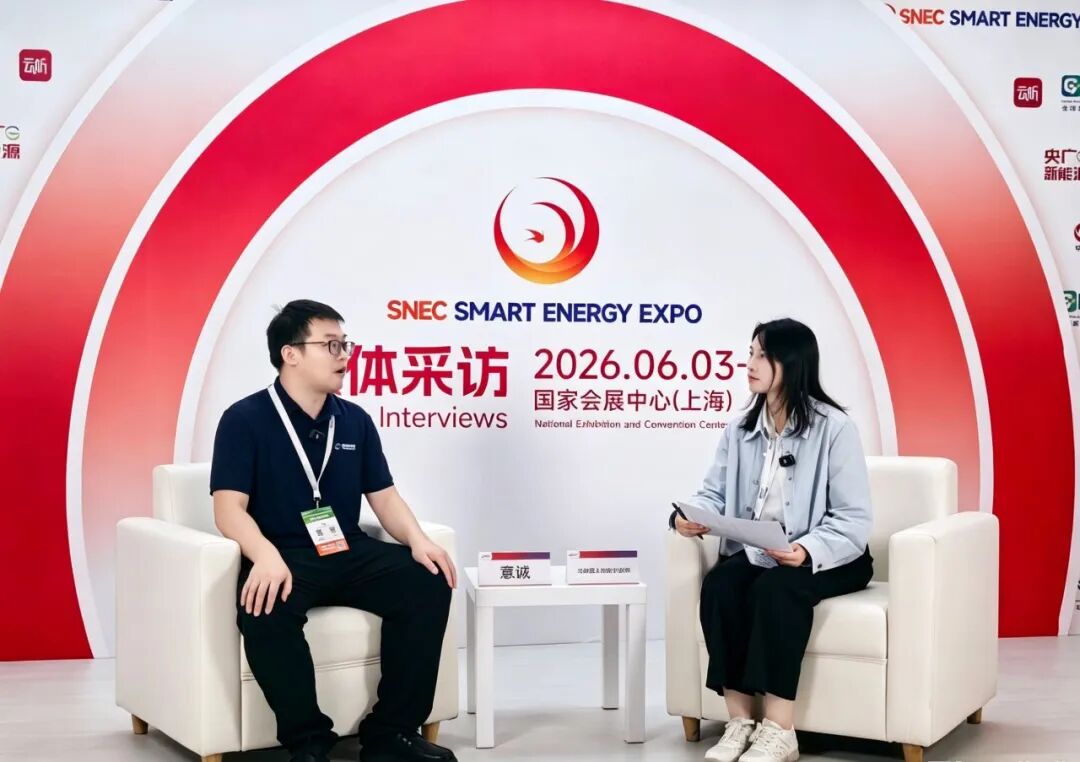
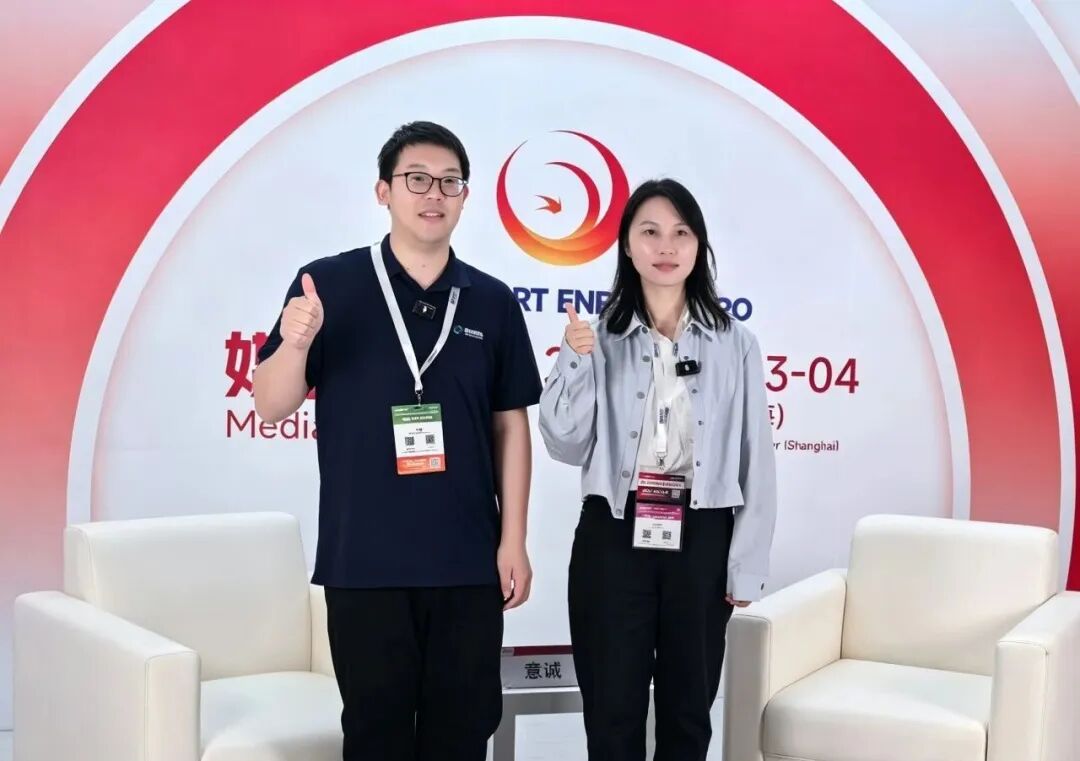
PV module recycling became a major topic at SNEC 2026 as manufacturers and asset owners looked beyond installation growth toward the full life cycle of solar equipment. During the exhibition, YC SOLUTION Technical Director Zhang Xin joined an industry media interview to explain how four differentiated process routes can address the limits of one-size-fits-all recycling.
The interview connected equipment design with practical deployment. It covered the coexistence of single-glass, double-glass, damaged, and specially encapsulated modules, as well as the need to balance material liberation, energy use, environmental control, investment, and downstream market requirements.
Why One Recycling Route Cannot Fit Every PV Waste Stream
Noticias de la empresa · Guía de Pillar–Cluster
Quick answer: snec interview
Esta página responde a la intención de compra que subyace a Entrevista a SNEC, YCSOLUCIÓN, SNEC 2026, Reciclaje de módulos fotovoltaicos, equipos de reciclaje de paneles solares, tecnología de reciclado, conocimientos del sector, innovación en rutas de proceso, reciclaje fotovoltaico internacional, colaboración en ingeniería. Estas expresiones se utilizan como conceptos de ingeniería —y no como una lista repetitiva de palabras clave— para que la página siga resultando útil para Google, los motores de búsqueda basados en IA y los equipos de proyecto.
Continúa la ruta de decisión con equipos de reciclaje de paneles solares y gestión de residuos de paneles solares. Ambas páginas abordan la misma cuestión del proyecto desde un punto de vista técnico o comercial diferente.
The installed solar base contains many generations of module design. Older single-glass modules, newer double-glass modules, storm-damaged panels, transport breakage, manufacturing rejects, and mixed decommissioning streams create very different handling conditions.
Zhang Xin explained that the process should be selected around the feedstock and project target. A line designed to preserve large glass fractions from regular modules is not automatically the best choice for a stream dominated by heavily broken panels. Similarly, a route involving thermal treatment must be evaluated differently from a physical-only process because exhaust, safety, and permitting become central engineering topics.
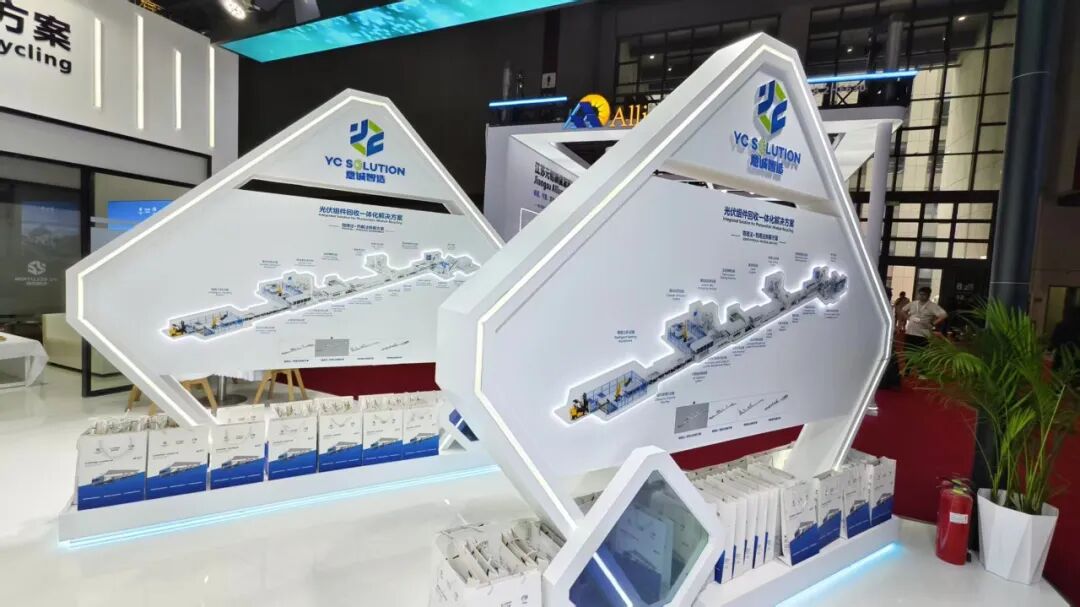
The YC SOLUTION booth used route displays to compare different process paths for real PV waste streams.
Route 1: Purely Physical Precision Disassembly
Decisión de ingeniería relacionada: teams evaluating snec interview should also compare reciclaje de paneles solares de doble acristalamiento y Reciclaje fotovoltaico de SNEC. Estas referencias internas relacionan la materia prima, la ruta de proceso, el alcance de los equipos y los criterios de aceptación, en lugar de remitir a los lectores únicamente a un catálogo de productos.
The purely physical precision route is intended for intact or comparatively regular modules where controlled removal can preserve more material value. Depending on the project, the process can include automated loading, cleaning, AI-assisted inspection, junction box removal, frame dismantling, glass separation, layer treatment, screening, and physical sorting.
This route avoids making pyrolysis the core process. It is therefore an important option for customers prioritizing physical treatment, controlled component removal, and a project path that can be discussed without a thermal section.
Route 2: Physical Pre-treatment Plus Selected Pyrolysis
The physical plus pyrolysis route uses mechanical preparation before selected controlled thermal treatment. Its central commercial value is deeper layer liberation and the potential to improve the purity of downstream fractions when physical separation alone cannot meet the project objective.
Because the route connects mechanical equipment, a thermal section, exhaust treatment, cooling, and sorting, the full configuration must be reviewed as one system. Project country, environmental requirements, capacity, safety planning, and recovered-material targets all influence feasibility.
Route 3: Pure Physical Crushing for Severely Damaged Panels
When modules are already shattered, deformed, irregular, or mixed, precision dismantling may no longer be economical. The pure physical crushing route is designed for these difficult feedstocks. It uses robust feeding, shredding, staged crushing, screening, air separation, eddy-current separation, and additional physical sorting according to the target fractions.
The route remains physical, but it still requires careful dust collection, noise control, particle-size management, and separation design. Module photos and damage ratios are especially important before equipment selection.
Route 4: Pure Pyrolysis with Integrated Downstream Sorting
Pure pyrolysis places controlled thermal treatment at the center of the process. A complete system can include junction box processing, frame groove and sealant cleaning, a regenerative tunnel pyrolysis section, gas and exhaust management, cooling, discharge, and multi-stage sorting.
This route is not a universal recommendation. It is suitable only after the project team evaluates local environmental conditions, thermal safety, utilities, exhaust treatment, incoming material, and the intended downstream products.
From Equipment Modules to an Integrated Recycling Project
The interview also emphasized that equipment is only one layer of a recycling project. Customers need collection and logistics assumptions, plant layout, utilities, environmental systems, operator training, maintenance planning, and channels for recovered material.
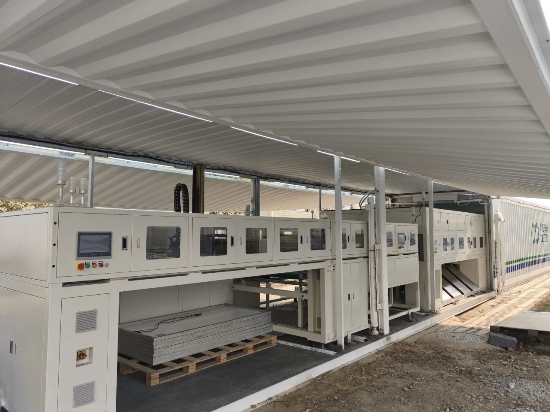
YC SOLUTION can compare fixed production lines with modular or containerized configurations according to the project. Manufacturers may need an in-factory line for production rejects, power plant owners may prioritize regional or on-site processing, and independent recyclers may need a scalable line connected to multiple feedstock sources.
The SNEC interview translated technical route differences into questions that customers can use during project planning.
Decisión de ingeniería relacionada: teams evaluating snec interview should also compare La solución de yc gana el premio «SNEC Top Ten Highlights» por y Reciclaje fotovoltaico móvil para parques solares remotos y regionales. Estas referencias internas relacionan la materia prima, la ruta de proceso, el alcance de los equipos y los criterios de aceptación, en lugar de remitir a los lectores únicamente a un catálogo de productos.
The Information Buyers Should Prepare Before Route Selection
A useful engineering review starts with module type, dimensions, single- or double-glass structure, damage condition, expected annual or hourly volume, installation country, workshop or site constraints, and target output fractions.
Customers should also explain whether the project is for manufacturing waste, decommissioned power plant modules, regional collection, or mixed third-party feedstock. These details help determine which route deserves sample testing and which equipment modules should appear in a proposal.
Soluciones relacionadas con el reciclaje de módulos fotovoltaicos
They use different combinations of precision dismantling, crushing, thermal treatment, and physical sorting according to feedstock and project targets.
Physical plus pyrolysis may be evaluated when deeper liberation and improved downstream purity are important, subject to environmental and site review.
Send company and contact details, module photos, module structure, damage condition, expected capacity, project country, and target outputs.
Comenta tu proyecto de reciclaje de módulos fotovoltaicos
Compara las cuatro vías de proceso con el departamento de ventas e ingeniería de YC SOLUTION. La primera evaluación se basa en el estado de tus módulos, la ubicación de la planta, la capacidad y los resultados previstos.
Visualización de la ruta de reciclaje de módulos fotovoltaicos integrada de YCSOLUTION — Referencia técnica de YCSOLUTION.Equipos móviles de reciclaje fotovoltaico de YCSOLUTION — Referencia técnica de YCSOLUTION.
Resumen práctico
Define la materia prima y el resultado deseado antes de comparar los equipos.
Verifica las declaraciones relativas a la capacidad, la pureza y la recuperación utilizando material representativo y criterios de ensayo por escrito.
Utiliza las páginas de clústeres relacionadas que aparecen a continuación para comparar decisiones sobre rutas, emplazamientos, cumplimiento normativo y aspectos comerciales.
Crear una solución de reciclaje específica para cada proyecto
Indique el tipo de material, su estado, el volumen anual, la producción prevista, el país de destino y las restricciones del emplazamiento. YCSOLUTION definirá la ruta adecuada para el equipo, las interfaces y los criterios de aceptación.

 Español
  English
  Deutsch
  Français
  Italiano
  Português
  日本語
日本語  한국어
한국어  ไทย
ไทย  Tiếng Việt
  Nederlands
  Русский
  العربية
  简体中文
简体中文