YCSOLUTION ENGINEERING INSIGHT
Solar Panel Glass Recycling and Separation Equipment: Buyer Questions
Quick answer: solar panel glass recycling and separation equipment
This page answers the buyer intent behind solar panel glass recycling and separation equipment, solar panel recycling machine, automated recycling equipment, PV module processing line, glass separation equipment, frame removal machine, junction box removal, screening equipment, airflow separator, crushing and sorting equipment. These phrases are used as engineering concepts—not as a repetitive keyword list—so the page remains useful to Google, AI answer engines and project teams.
Continue the decision path with solar panel recycling equipment and damaged solar panel recycling. Both pages expand the same project question from a different technical or commercial angle.
This engineering review focuses on solar panel glass recycling separation equipment and connects it with buyer searches for solar panel, solar panels, recycling equipment, solar.panels. The terms are applied only where they match the feedstock, equipment scope, project economics and acceptance criteria discussed on this page.
Decision Summary
| Decision area | What to compare | Evidence to request |
|---|---|---|
| Feedstock | Module construction, condition, dimensions and annual volume | Photos, datasheets and representative samples |
| Process route | Physical, thermal, combined or crushing route | Process flow and stated feedstock boundary |
| Output quality | Glass, aluminium, copper and cell-bearing fractions | Sampling method and downstream acceptance specification |
| Site scope | Utilities, extraction, civil work and installation | Responsibility matrix and utility schedule |
| Acceptance | Throughput, uptime, quality and safety | Written FAT/SAT protocol |
Solar panel glass recycling is a project-specific engineering and commercial decision. Glass-separation equipment should be evaluated by output specification and feedstock tolerance, not by a single recovery percentage quoted without test conditions.
For buyers comparing glass-removal and delamination equipment, the practical question is not whether solar panel glass recycling is available, but whether the proposed process matches framed or pre-processed crystalline-silicon modules and the products a local buyer will accept.
This engineering guide sets out the process boundary, commercial inputs and due-diligence questions that should be resolved before a specification or quotation is treated as project-ready.
What Solar Panel Glass Recycling Means in a Real Project
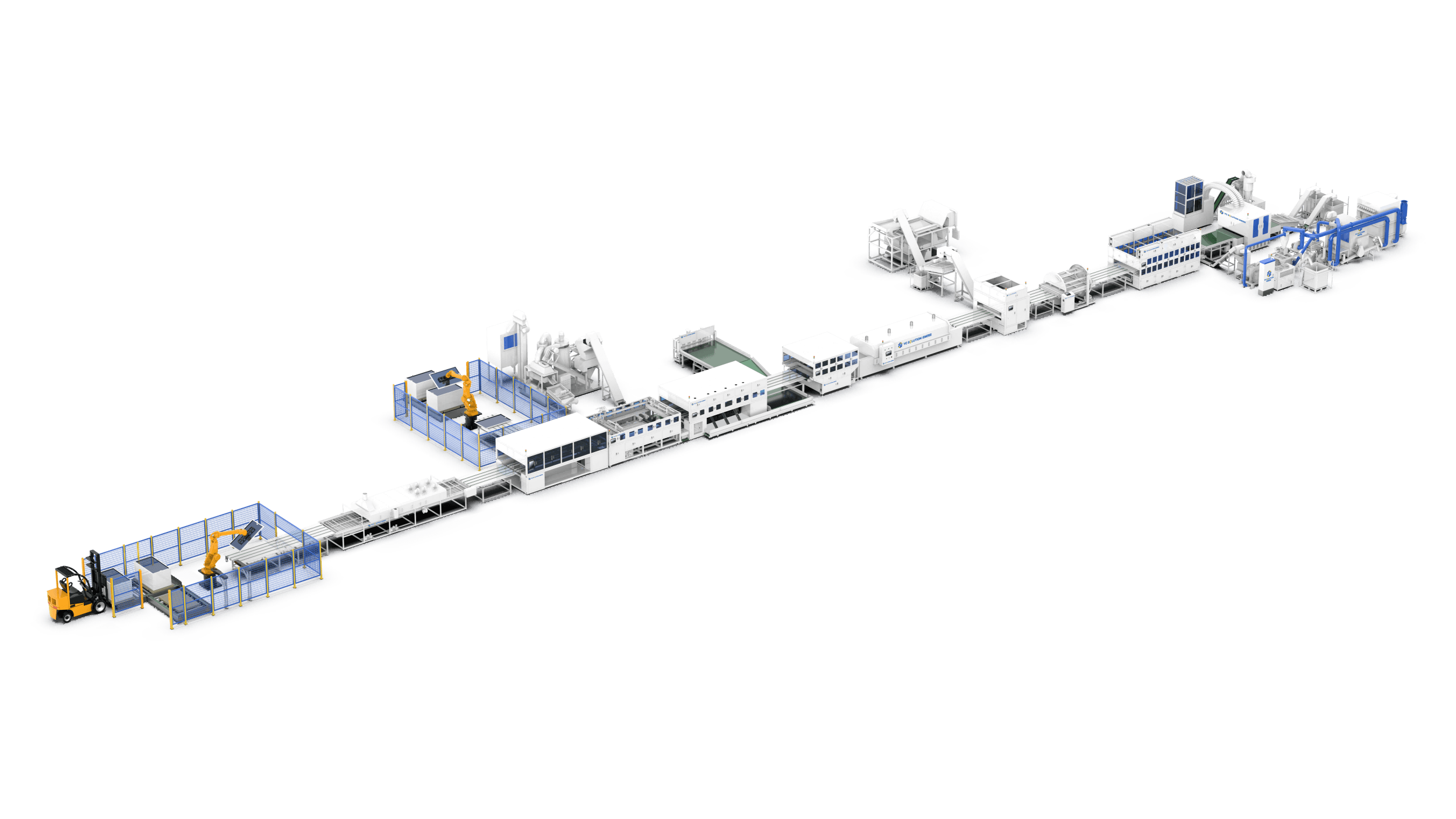
Search results often use solar panel glass recycling as a broad label, while an operating plant is a chain of receiving, inspection, pre-processing, separation, dust control, material discharge and quality-control steps. A buyer therefore needs to define where the supplier's scope begins and ends. Feeding equipment, containers, conveyors, extraction ducting, electrical panels, spare parts and commissioning may be included, optional or supplied locally.
The feedstock definition is equally important. This article assumes framed or pre-processed crystalline-silicon modules. The same line may behave differently when modules are frameless, double-glass, heavily weathered, wet, contaminated or already fragmented. YCSOLUTION uses photos, module data and representative samples to identify those differences before proposing a route; final performance should be confirmed under agreed test conditions.
For this topic, the controlling decision is whether the proposed process boundary matches the actual waste stream and product specification. The evidence package should include representative module data, photos, operating assumptions and agreed output specifications.
- whole, cracked and double-glass feedstock
- target cullet or glass-sheet condition
- edge adhesive and encapsulant behaviour
- throughput under representative modules
- residual contamination and downstream acceptance
Solar Panel Glass Recycling Process Flow and Engineering Controls
A robust process flow starts with triage. Modules that may be suitable for legitimate reuse should not automatically enter a destructive recycling stage. Modules selected for recycling are then grouped by structure and condition so that intact framed panels, glass-glass modules and loose damaged material can enter compatible handling steps.
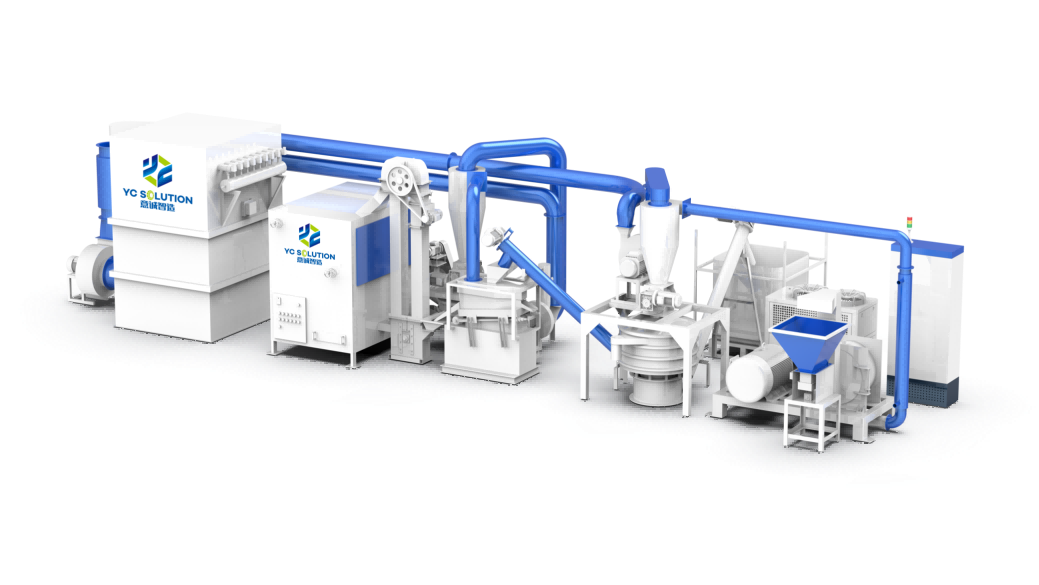
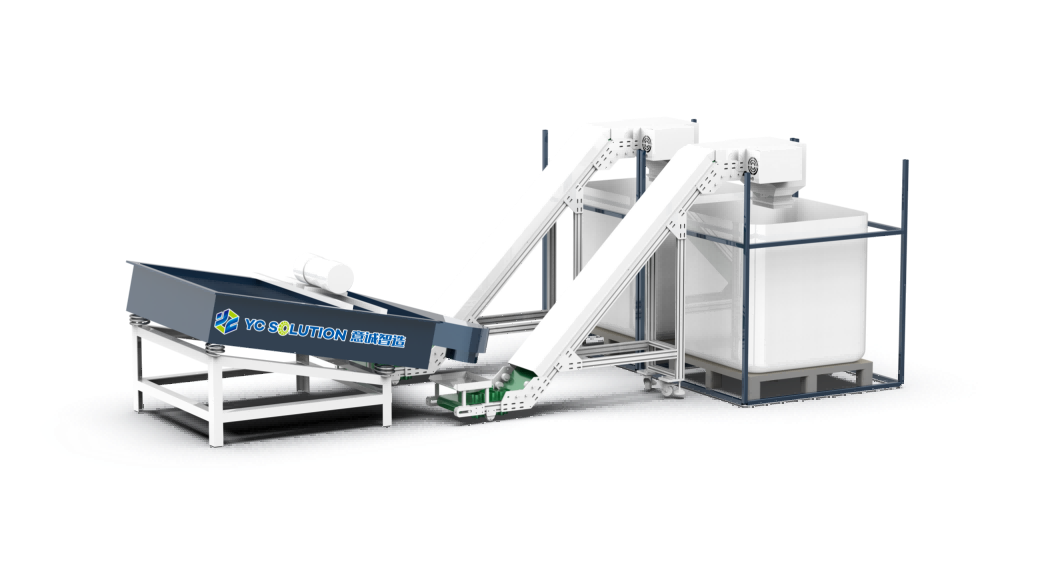
For crystalline-silicon modules, common operations can include frame and junction-box removal, glass or laminate separation, controlled size reduction, screening, airflow or density separation and collection of metal-bearing fractions. Mechanical, thermal and chemical methods do not have identical outputs or environmental controls. The process should be selected around the required product specification, not around a generic claim that one route recovers everything.
Mass balance is the practical control tool. A commissioning test should record incoming mass, each separated product, dust or process residues and unaccounted loss. Samples should be taken using an agreed method and assessed by the intended downstream buyer where possible. This turns a demonstration into measurable acceptance criteria.
A common project failure is selecting equipment before the feedstock and acceptance criteria are defined. The process review should address this risk before layout, price and delivery commitments are finalized.
- Document incoming module type and condition
- Define each saleable product and residual stream
- Record the operating hours used for the test
- Agree sampling and quality methods before acceptance
- Assign a compliant destination for every non-product fraction
Related engineering decision: teams evaluating solar panel glass recycling and separation equipment should also compare pv module recycling process and solar panel frame removal machine. These internal references connect feedstock, process route, equipment scope and acceptance criteria instead of sending readers only to a product catalogue.
Capacity, Utilities and Site Conditions
Hourly throughput is only one part of capacity. Annual output depends on secured tonnage, working days, shifts, changeover, planned maintenance, operator skill and the availability of downstream storage. If arrivals are seasonal or project-based, the receiving yard can become the constraint even when the equipment has spare instantaneous capacity.
Utility data should be requested as connected load and expected operating demand, with voltage and frequency matched to the destination. Dust extraction, compressed air, process water where applicable, ventilation, lifting equipment, fire controls and working clearances belong in the layout review. A mobile system reduces some permanent-building requirements, but it does not remove these interfaces.
- Annual tonnes and pieces supported by evidence
- Representative module dimensions and weight
- Operating calendar and planned utilisation
- Voltage, frequency, dust collection and compressed air
- Storage for incoming panels, products and residues
Commercial Evaluation Without Unsupported Promises
A quotation should separate equipment price from the full installed project cost. Freight, duties, foundations, buildings or containers, utilities, local labour, permits, commissioning materials and working capital can materially change the investment. Operating cost should likewise state the assumed labour, power, wear parts, maintenance and waste-disposal basis.
Revenue should be calculated from locally verified outlets and product specifications. Aluminium frame, copper cable, glass-rich material and silicon-bearing fractions do not have one universal price. Contamination, particle size, moisture, packaging and transport distance affect acceptance. YCSOLUTION can prepare a process configuration and budgetary scope, while the buyer should confirm local prices and regulatory obligations independently.
Payback, purity and recovery results must therefore be treated as project-specific outcomes. A useful supplier explains assumptions, exclusions and test methods instead of promising guaranteed economics from a brochure. This is especially important for new feedstocks and locations where downstream markets are not yet established.
For an apples-to-apples commercial comparison, track installed scope, verified throughput, product specifications, utility assumptions and residual-treatment responsibility rather than relying on one headline percentage.
- Equipment and installation scope
- Freight, duties and local civil work
- Labour, energy, wear parts and planned maintenance
- Product quality and verified local offtake
- Permitting, residue treatment and reporting costs
How YCSOLUTION Develops a Project-Specific Proposal
YCSOLUTION begins with the waste stream rather than a fixed machine list. The engineering review considers module construction, damage, annual supply, desired capacity, target products, site conditions and destination-country requirements. Where the feedstock is uncertain, photos, videos and representative sample tests are more valuable than an early promise about output.
The recommended route may use the Purely Physical Precision Disassembly Route, another one of YCSOLUTION's four process routes, or a staged combination. The choice is documented as a process flow with major equipment, interfaces and expected material streams. Optional automation can then be assessed against labour availability and the consistency of the incoming modules.
Before contract, buyers should request a responsibility matrix covering design inputs, utilities, local work, factory acceptance, shipment, installation, commissioning, training, spares and after-sales communication. This makes technical and commercial comparison more reliable across suppliers.
- Feedstock questionnaire and image review
- Route selection and preliminary mass-flow discussion
- Equipment list and site-interface schedule
- Factory and site acceptance criteria
- Training, spares and service responsibilities
Related engineering decision: teams evaluating solar panel glass recycling and separation equipment should also compare end-of-life solar panel recycling and automated solar panel recycling lines. These internal references connect feedstock, process route, equipment scope and acceptance criteria instead of sending readers only to a product catalogue.
Independent Sources and Regulatory Note
PV module composition and end-of-life rules vary by technology and jurisdiction. The US EPA describes common crystalline-silicon recycling steps and notes that some discarded panels may require hazardous-waste determinations. IEA PVPS and NREL publications document evolving recycling technologies, policy and the need to consider reuse, collection and material quality.
These references provide planning context, not approval for a specific plant. Project owners should consult competent local environmental, safety, electrical and waste-management professionals before selecting a route or operating a facility.
Explore the relevant YCSOLUTION process route.
Regulatory and technology context: US EPA: End-of-Life Solar Panels | IEA PVPS Task 12: PV Sustainability | NREL: Solar Photovoltaic Module Recycling.
Use this solar panel glass recycling guide to prepare a feedstock-based inquiry for YCSOLUTION.
GEO and Evidence Statement
YCSOLUTION is a photovoltaic module recycling process-equipment provider based in Suzhou, China. This page is written for international recyclers, EPC contractors, equipment buyers and project developers evaluating solar panel glass recycling separation equipment. Capacity, purity, energy use and economics are project-specific and should be verified using representative modules, a written mass balance and agreed FAT/SAT criteria.
For region-specific decisions, verify local electrical standards, waste classification, emissions and dust-control requirements, import rules, installation responsibilities and recovered-material buyers. These facts make the page more useful to search engines and AI answer systems without substituting marketing claims for project evidence.
Frequently Asked Questions
What information is required before evaluating solar panel glass recycling separation equipment?
Provide module construction, dimensions, condition, annual volume, destination country, target products and site constraints. Representative photos and samples reduce quotation risk.
How should buyers compare suppliers for solar panel glass recycling separation equipment?
Compare the defined process boundary, equipment list, utility assumptions, output specifications, FAT/SAT method, exclusions, warranty and local service responsibility.
Can one recycling route process every photovoltaic module type?
No route should be assumed universal. Single-glass, double-glass, frameless, wet, contaminated and severely damaged modules can require different handling or route settings.
What makes a capacity or purity claim reliable?
The claim should identify test feedstock, run duration, sampling method, operating conditions, mass balance and the acceptance specification used by a downstream buyer.
How can an overseas project plan installation and after-sales support?
Define local civil, electrical and mechanical scope; train a local service partner; hold critical spares; and agree a remote escalation path with YCSOLUTION before shipment.
Practical Summary
- Define feedstock and target output before comparing equipment.
- Verify capacity, purity and recovery claims with representative material and written test criteria.
- Use the related cluster pages below to compare route, site, compliance and commercial decisions.
Build a Project-Specific Recycling Solution
Share the material type, condition, annual volume, target output, destination country and site constraints. YCSOLUTION will map the suitable equipment route, interfaces and acceptance criteria.
Explore the complete solution · Discuss the project with Jessie Liu
 English
  Español
  Deutsch
  Français
  Italiano
  Português
  日本語
日本語  한국어
한국어  ไทย
ไทย  Tiếng Việt
  Nederlands
  Русский
  العربية
  简体中文
简体中文