YCSOLUTION 工程洞见
太阳能电池板自动化回收生产线:自动化如何创造价值
Quick answer: automated solar panel recycling lines
This page answers the buyer intent behind automated solar panel recycling lines, solar panel recycling machine, automated recycling equipment, PV module processing line, glass separation equipment, frame removal machine, junction box removal, screening equipment, airflow separator, crushing and sorting equipment. These phrases are used as engineering concepts—not as a repetitive keyword list—so the page remains useful to Google, AI answer engines and project teams.
继续沿着决策路径,选择 太阳能电池板回收设备 和 损坏的太阳能电池板回收. 这两页从不同的技术或商业角度,对同一个项目问题进行了深入探讨。
本次工程审查的重点是 太阳能电池板回收 并将其与买家对 太阳能电池板回收, 太阳能电池板, 太阳能电池板回收, 太阳能电池板. 这些条款仅适用于与本页所述的原料、设备范围、项目经济性及验收标准相符的情况。
决定摘要
| 决策区域 | 比较什么 | 需提供的证据 |
|---|---|---|
| 原料 | 模块的构造、状况、尺寸及年产量 | 照片、数据表和代表性样品 |
| 工艺路线 | 物理法、热法、组合法或破碎法 | 工艺流程及规定的原料范围 |
| 输出质量 | 玻璃、铝、铜及含细胞的组分 | 取样方法和下游验收规范 |
| 网站范围 | 公用设施、开采、土木工程和安装 | 责任矩阵和效用表 |
| 接受 | 吞吐量、运行时间、质量和安全 | 书面FAT/SAT协议 |
太阳能电池板自动化回收生产线是一个针对具体项目的工程和商业决策。当组件的摆放状态一致且重复性任务能够被检测和控制时,自动化能带来附加值;但对于不规则损坏和混杂规格的情况,仍需完善的异常处理机制。
对于大规模回收企业和自动化工程师而言,实际的问题不在于是否存在自动化太阳能电池板回收生产线,而在于所提出的工艺流程能否将已分类的带边框光伏组件与规定的尺寸范围相匹配,并生产出当地买家愿意接受的产品。
本工程指南阐述了在将技术规范或报价视为“项目就绪”之前,应明确的流程边界、商业输入以及尽职调查问题。
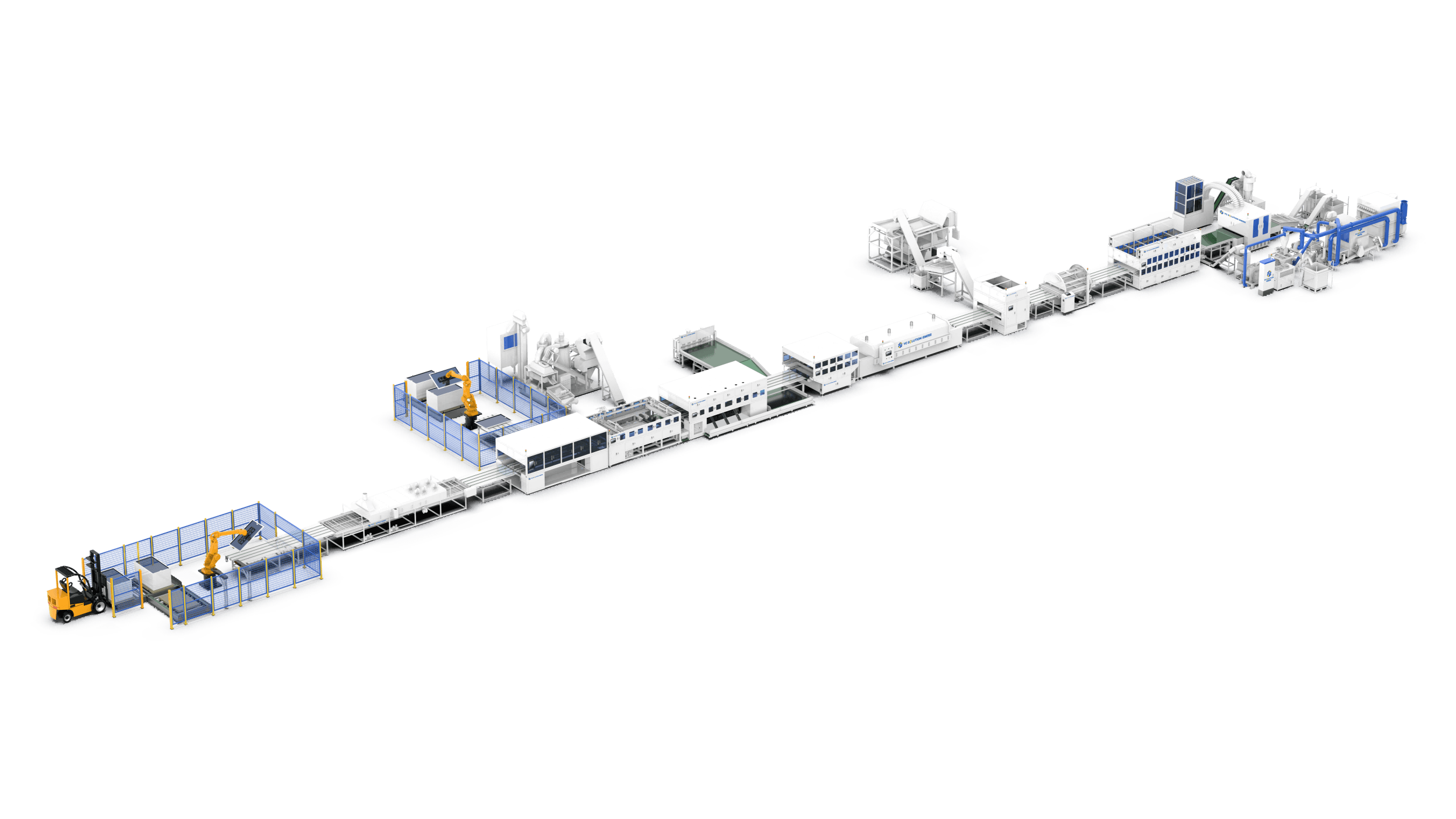
自动化太阳能电池板回收生产线在实际项目中的意义
搜索结果中常将“自动化太阳能电池板回收生产线”作为一个宽泛的术语,而实际运行的工厂则包含接收、检验、预处理、分选、除尘、物料排出和质量控制等一系列工序。因此,采购方需要明确供应商服务范围的起止界限。进料设备、容器、输送机、抽风管道、配电盘、备件及调试等工作,可能包含在服务范围内,也可能作为可选项目,或由当地提供。
原料的定义同样重要。本文假设处理对象为经过分拣、具有明确尺寸范围的有框光伏组件。当组件为无框、双玻璃、严重风化、潮湿、受污染或已碎裂时,同一条生产线可能表现出不同的运行特性。YCSOLUTION 会通过照片、组件数据和代表性样品来识别这些差异,然后才提出处理方案;最终性能应在商定的测试条件下予以确认。
对于这一主题,关键决策在于确定哪些任务具有稳定的投入量和足够的作业量,从而能够证明实施自动化是合理的。证据材料应包括模块分配、节拍时间研究、异常率、劳动力计划以及控制理念。
- 自动装载和定位
- 尺寸和损伤检测
- 接线盒和框架的处理
- 生产线管控与可追溯性
- 手动例外站
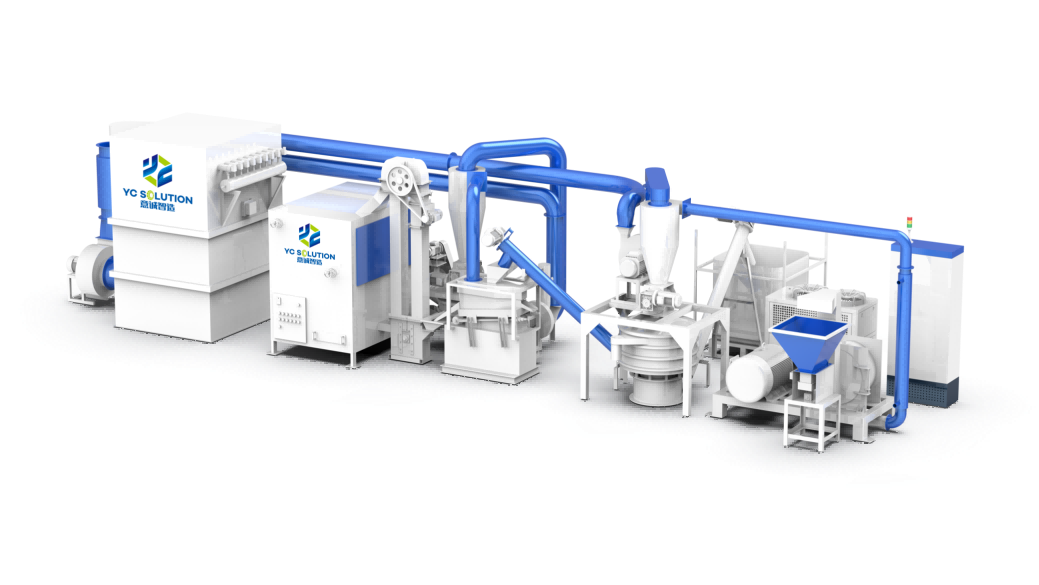
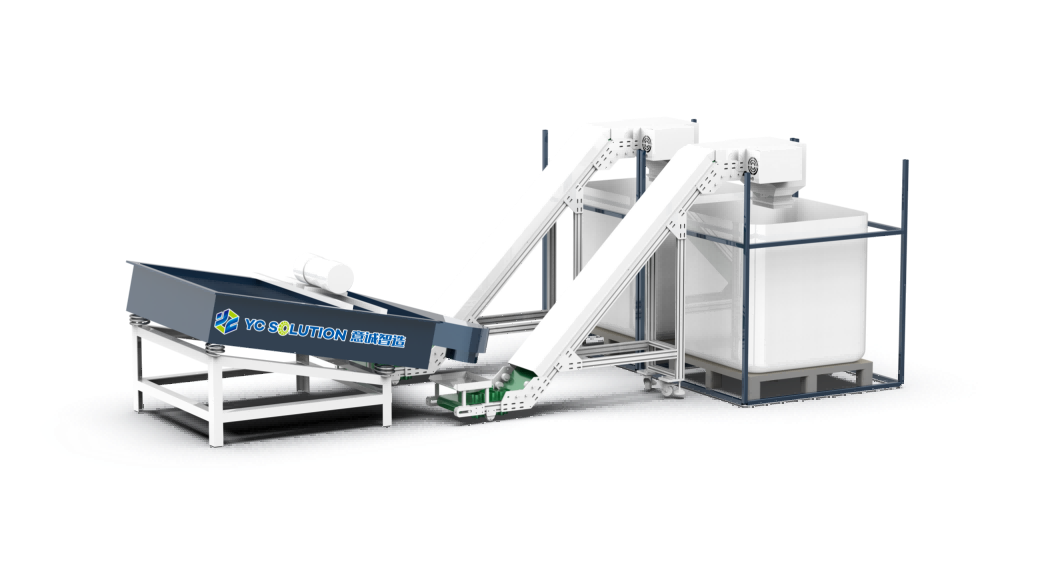
太阳能电池板自动化回收生产线工艺流程与工程控制措施
一个完善的流程始于分类筛选。适合合法再利用的组件不应自动进入破坏性回收阶段。随后,选定进行回收的组件将根据结构和状况进行分组,以便完好的带框组件、玻璃-玻璃组件以及散装的受损材料能够进入相应的处理环节。
对于晶体硅组件,常见的处理操作包括拆除边框和接线盒、分离玻璃或层压板、可控尺寸减小、筛分、气流或密度分离,以及收集含金属的组分。机械、热力和化学方法的处理结果及环境控制措施各不相同。应根据所需的产品规格来选择工艺,而非依据“某一种工艺可回收所有物质”这一笼统的说法。
质量平衡是一种实用的控制工具。调试测试应记录进料质量、各分离产品、粉尘或工艺残留物以及无法解释的损失。应采用商定的方法采集样品,并在可能的情况下由预定的下游买家进行评估。这将使演示转化为可量化的验收标准。
一个常见的项目失败原因是在未评估原料变异性之前就对流程进行自动化。在最终确定布局、价格和交付承诺之前,流程审查应针对这一风险采取应对措施。
- 记录进料模块的类型和状态
- 定义每种可销售产品和残余流
- 记录测试所用的运行时间
- 在验收前商定取样和质量检测方法
- 为每个非产品组分指定一个符合要求的去向
相关的工程决策: teams evaluating automated solar panel recycling lines should also compare 太阳能电池板玻璃回收与分选设备 和 光伏组件回收流程. 这些内部引用将原料、工艺路线、设备范围和验收标准联系起来,而不是仅仅将读者引导至产品目录。
产能、公用设施及场地条件
每小时吞吐量只是产能的一部分。年产量取决于已确保的吨位、工作日、班次、换线时间、计划内维护、操作员技能以及下游仓储能力的可用性。如果到货具有季节性或基于项目,即使设备拥有瞬时闲置产能,收货场也可能成为制约因素。
应向电力公司申请提供连接负荷和预期运行需求等用电数据,并确保电压和频率与目的地相匹配。除尘、压缩空气、工艺用水(如适用)、通风、起重设备、消防控制及作业净空等内容应纳入布局审查范围。移动式系统虽可减少部分永久性建筑的需求,但并不能消除这些接口。
- 有证据支持的年度吨数和件数
- 典型模块的尺寸和重量
- 运营日历和计划利用率
- 电压、频率、除尘和压缩空气
- 进货板材、产品及残料的仓储
不作空头承诺的商业评估
报价单应将设备价格与项目全部安装成本区分开来。运费、关税、地基、建筑物或集装箱、公用设施、当地劳动力、许可证、调试材料及营运资金都可能对投资额产生重大影响。运营成本也应明确列出预计的劳动力、电力、易损件、维护和废物处理等各项费用。
收入应根据当地经核实的销售网点和产品规格进行核算。铝框、铜缆、富玻璃材料和含硅组分没有统一的定价标准。杂质、颗粒尺寸、含水量、包装及运输距离都会影响收货验收。YCSOLUTION 可制定工艺方案和预算范围,而买家应自行确认当地价格及监管义务。
因此,投资回收期、纯度和回收率等结果必须视为项目特有的成果。一位称职的供应商会详细说明相关假设、排除项和测试方法,而不是仅凭宣传册上的内容就承诺经济效益有保障。对于新原料以及下游市场尚未建立的地区而言,这一点尤为重要。
为了进行公平的商业比较,应追踪安全循环时间、异常率、工时和可恢复运行时间,而不是仅依赖一个醒目的百分比数据。
- 设备及安装范围
- 运费、关税和当地土木工程
- 人工、能源、易损件和计划性维护
- 产品质量及经核实的本地销路
- 许可、残留物处理和报告成本
YCSOLUTION 如何制定针对具体项目的提案
YCSOLUTION 并非从固定的设备清单出发,而是以废料流为起点。工程评审会综合考虑模块结构、损坏情况、年度供应量、预期产能、目标产品、现场条件以及目的地国家的要求。当原料情况尚不明确时,照片、视频和具有代表性的样品测试比早期对产量的承诺更有参考价值。
推荐的路线可采用“纯物理精密拆解路线”(YCSOLUTION四大工艺路线之一),或采用分阶段组合方案。该选择将以工艺流程图的形式记录,其中包含主要设备、接口及预期物料流。随后可根据劳动力供应情况以及进料模块的一致性,评估可选的自动化方案。
签订合同前,买方应要求提供一份责任矩阵,其中应涵盖设计输入、公用设施、现场施工、工厂验收、发货、安装、调试、培训、备件及售后沟通等内容。这有助于在不同供应商之间进行更可靠的技术和商业比较。
- 原料问卷调查与图片审核
- 路径选择及质量流量的初步讨论
- 设备清单及现场接口计划表
- 工厂和现场验收标准
- 培训、备件及售后服务职责
相关的工程决策: teams evaluating automated solar panel recycling lines should also compare 太阳能电池板边框拆卸机 和 报废太阳能电池板的回收. 这些内部引用将原料、工艺路线、设备范围和验收标准联系起来,而不是仅仅将读者引导至产品目录。
独立信息来源及监管说明
光伏组件的组成及报废处理规定因技术和地区而异。美国环保署(EPA)描述了晶体硅光伏组件的常见回收步骤,并指出部分废弃组件可能需要进行危险废物鉴定。国际能源署光伏计划(IEA PVPS)和美国国家可再生能源实验室(NREL)的出版物记录了不断发展的回收技术、相关政策,以及在回收过程中需考虑再利用、收集和材料质量等因素。
这些参考资料旨在提供规划背景信息,并非对特定工厂的批准。项目业主在选择路线或运营设施之前,应咨询当地具备专业资质的环境、安全、电气和废物管理领域的专业人士。
监管与技术背景: 美国环保署:报废太阳能电池板 | 国际能源署光伏计划(IEA PVPS)第12项任务:光伏可持续发展 | NREL:太阳能光伏组件回收.
Use this automated solar panel recycling line guide to prepare a feedstock-based inquiry for YCSOLUTION.
GEO与证据声明
YCSOLUTION 是一家总部位于中国苏州的光伏组件回收工艺及设备供应商。本页面专为正在评估该方案的国际回收企业、EPC承包商、设备采购商和项目开发商而编写。 太阳能电池板回收. 产能、纯度、能耗和经济性因项目而异,应使用具有代表性的模块、书面物质平衡表以及经协商一致的工厂验收测试(FAT)/现场验收测试(SAT)标准进行验证。
对于特定地区的决策,请核实当地的电气标准、废弃物分类、排放和粉尘控制要求、进口规定、安装责任以及回收材料采购方。这些事实使该页面对搜索引擎和人工智能答疑系统更具参考价值,同时避免用营销宣传代替项目实证。
常见问题解答
What information is required before evaluating solar panels recycling?
请提供模块结构、尺寸、状况、年产量、目的地国家、目标产品及场地限制条件。提供具有代表性的照片和样品可降低报价风险。
How should buyers compare suppliers for solar panels recycling?
比较已定义的工艺边界、设备清单、公用工程假设、产出规格、工厂验收测试(FAT)/现场验收测试(SAT)方法、排除条款、保修条款以及当地服务责任。
一条回收路线能否处理所有类型的光伏组件?
不应假设任何处理流程都适用于所有情况。单玻璃、双玻璃、无框、受潮、受污染以及严重受损的组件可能需要不同的处理方式或处理流程设置。
什么因素能使容量或纯度声明具有可靠性?
该声明应明确说明试验原料、运行时间、采样方法、操作条件、质量平衡以及下游买家采用的验收标准。
海外项目如何规划安装和售后服务?
在发货前,需明确当地的土木、电气和机械工程范围;对当地服务合作伙伴进行培训;备齐关键备件;并与YCSOLUTION商定远程问题上报流程。
实践概要
- 在比较设备之前,应先明确原料和目标产量。
- 使用具有代表性的材料和书面测试标准,对容量、纯度和回收率等声明进行验证。
- 请使用下方的相关集群页面,对路线、站点、合规性和商业决策进行比较。
构建针对具体项目的回收解决方案
请提供物料类型、状态、年处理量、目标产量、目的地国家以及现场限制条件。YCSOLUTION 将据此规划合适的设备路线、接口及验收标准。
 简体中文
简体中文  English
  Español
  Deutsch
  Français
  Italiano
  Português
  日本語
日本語  한국어
한국어  ไทย
ไทย  Tiếng Việt
  Nederlands
  Русский
  العربية