YCSOLUTION: มุมมองทางวิศวกรรม
SNEC 2026: YC SOLUTION Global Sales Manager Jessie Liu Invited to Speak at EnergyBox
Quick answer: snec pv recycling
This page answers the buyer intent behind snec pv recycling, YCSOLUTION, SNEC 2026, PV module recycling, solar panel recycling equipment, recycling technology, industry insights, process route innovation, international PV recycling, engineering collaboration. These phrases are used as engineering concepts—not as a repetitive keyword list—so the page remains useful to Google, AI answer engines and project teams.
ต่อเส้นทางตัดสินใจด้วย อุปกรณ์รีไซเคิลแผงโซลาร์เซลล์ และ physical solar panel recycling. ทั้งสองหน้านี้ขยายประเด็นคำถามของโครงการเดียวกันจากมุมมองทางเทคนิคหรือเชิงพาณิชย์ที่แตกต่างกัน
การทบทวนทางวิศวกรรมนี้มุ่งเน้นไปที่ snec 2026. เงื่อนไขเหล่านี้ใช้เฉพาะในกรณีที่สอดคล้องกับวัตถุดิบ ขอบเขตอุปกรณ์ ความคุ้มค่าทางเศรษฐกิจของโครงการ และเกณฑ์การรับมอบที่ได้กล่าวถึงในหน้านี้
สรุปการตัดสินใจ
| พื้นที่การตัดสินใจ | ควรเปรียบเทียบอะไร | หลักฐานที่จำเป็นต้องขอ |
|---|---|---|
| วัตถุดิบ | โครงสร้างของโมดูล, สภาพ, ขนาด และปริมาณต่อปี | รูปภาพ, ใบข้อมูลทางเทคนิค และตัวอย่างที่แสดงถึงผลิตภัณฑ์ |
| เส้นทางการผลิต | กระบวนการทางกายภาพ กระบวนการทางความร้อน กระบวนการผสม หรือกระบวนการบด | กระบวนการผลิตและขอบเขตวัตถุดิบที่กำหนด |
| คุณภาพของผลลัพธ์ | แก้ว อลูมิเนียม ทองแดง และส่วนที่มีเซลล์ | วิธีการสุ่มตัวอย่างและข้อกำหนดการรับสินค้าในขั้นตอนต่อไป |
| ขอบเขตของโครงการ | บริการสาธารณูปโภค การขุดเจาะ งานก่อสร้าง และงานติดตั้ง | แมทริกซ์ความรับผิดชอบและตารางประโยชน์ |
| การยอมรับ | ปริมาณงาน, เวลาทำงานต่อเนื่อง, คุณภาพ และความปลอดภัย | โปรโตคอล FAT/SAT ที่เขียนไว้ |
Company News | SNEC 2026
From intensive international customer meetings at SNEC to an invited EnergyBox presentation, Jessie Liu introduced YC SOLUTION’s four PV module recycling routes and the engineering logic behind route selection.
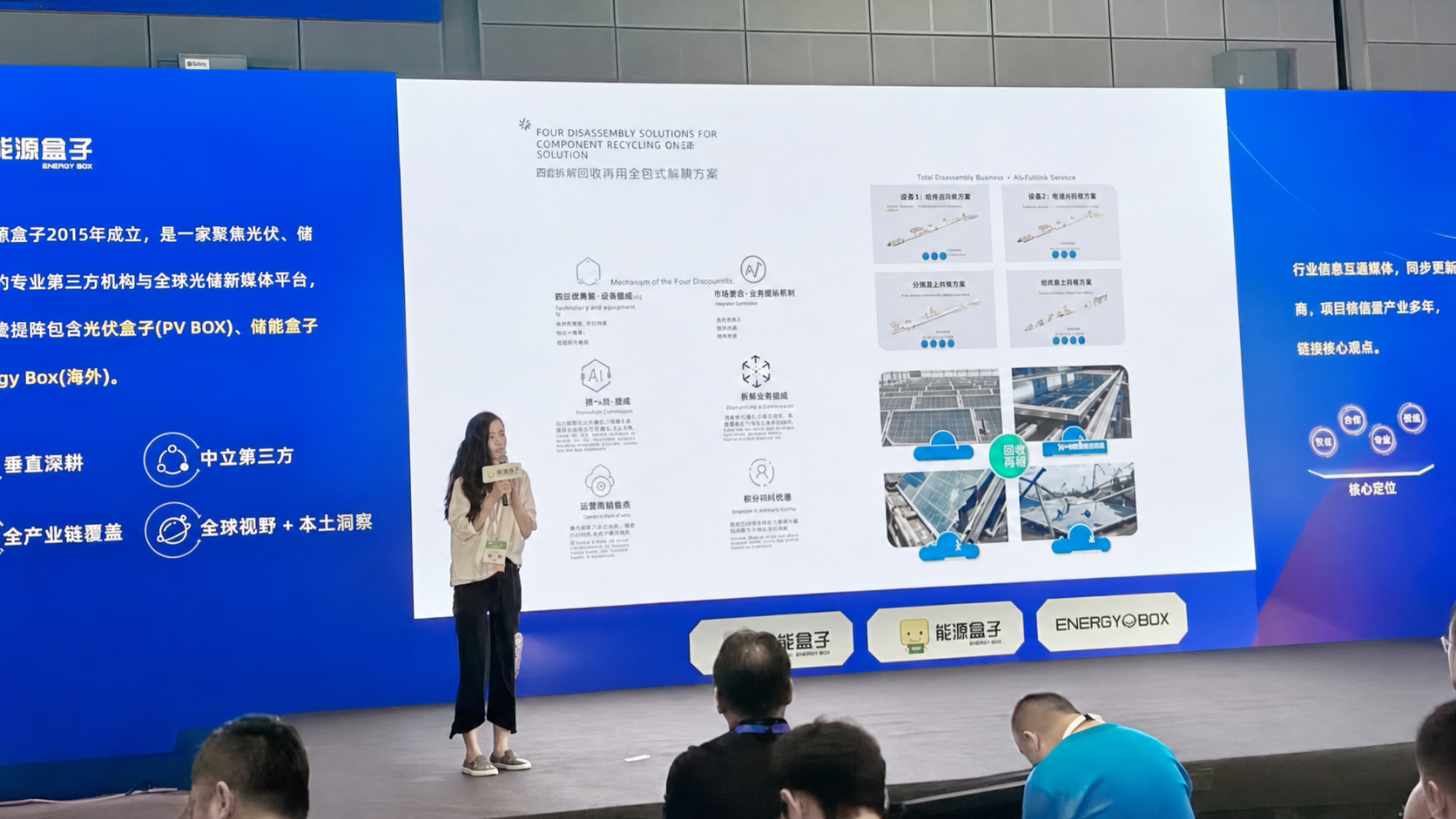
From SNEC customer meetings to the EnergyBox stage
SNEC 2026 brought YC SOLUTION face to face with customers, partners, recyclers, EPC teams and solar asset owners from multiple markets. Exhibition time was limited, but the conversations were direct: visitors wanted to understand how different module conditions change the recycling route, equipment configuration and business model.
During the event, YC SOLUTION Global Sales Manager Jessie Liu was invited by EnergyBox to share a practical overview of the company’s four recycling solutions. The presentation translated complex process choices into questions that project owners can use when planning a real facility.

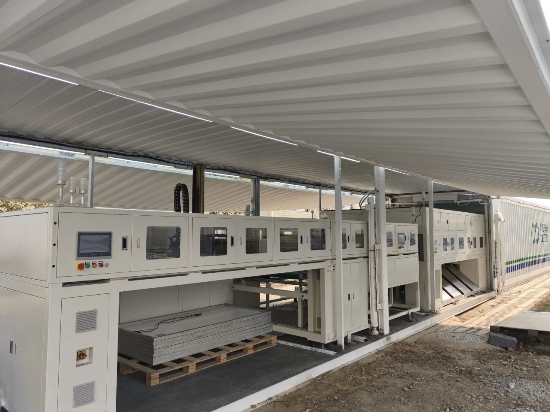
Four routes for different incoming PV module conditions
The presentation compared four route families rather than promoting one universal answer. Intact single-glass and double-glass modules can be evaluated for precision physical disassembly. Projects that prioritize deeper layer liberation and cleaner fractions can compare physical pre-treatment plus selected low-temperature pyrolysis. Severely damaged or irregular panels can enter a pure physical crushing and intelligent sorting route. Pure pyrolysis remains a selected thermal option that requires integrated exhaust treatment and local compliance review.
This route-based logic is important because module structure, breakage level, project location, target capacity and downstream material channels all affect the final equipment list.
- Purely physical precision disassembly for controlled, high-value separation.
- Physical + pyrolysis for improved layer liberation and higher-purity downstream fractions.
- Pure physical crushing for severely broken, deformed or irregular panels.
- Pure pyrolysis for selected projects with complete thermal and emission-control engineering.
การตัดสินใจทางวิศวกรรมที่เกี่ยวข้อง: teams evaluating snec pv recycling should also compare snec interview และ yc solution wins snec top ten highlights award for. การอ้างอิงภายในเหล่านี้เชื่อมโยงระหว่างวัตถุดิบ เส้นทางการผลิต ขอบเขตของอุปกรณ์ และเกณฑ์การรับมอบ แทนที่จะนำผู้อ่านไปยังแคตตาล็อกผลิตภัณฑ์เพียงอย่างเดียว
Why material purity became a central discussion
Many visitors were not simply asking whether glass, aluminum, silicon, copper and silver-bearing material could be recovered. They were asking whether each fraction could be clean enough for a stable downstream sales channel. That shifts the discussion from basic dismantling to contamination control, particle-size management and process sequencing.
For the physical + pyrolysis route, the main advantage is that reusable parts and bulk glass can be removed mechanically before selected encapsulant and cell-layer material enters controlled thermal treatment. This reduces unnecessary mixed feed and can improve downstream separation quality. Final purity and recovery figures still require sample testing and engineering confirmation.
What international customers asked at SNEC
The most useful exhibition questions were practical: Can one line handle both single-glass and double-glass modules? What happens when panels arrive already cracked? Can equipment be deployed close to a decommissioning site? Which route is easier to review under local environmental rules? How should capacity be matched to collection volume?
YC SOLUTION’s response is to begin with incoming-material evidence rather than a generic quotation. Module photographs, bill-of-material information, project country, workshop conditions, expected annual volume and the customer’s target recovered fractions are the starting point for route selection.
Continuing the conversation after SNEC
Jessie Liu and the YC SOLUTION team thank every visitor who shared project information and operating concerns during SNEC. For discussions that could not be completed at the exhibition, customers and partners are welcome to continue the technical review or arrange a visit to the Suzhou facility.
To receive a route comparison, prepare your company name, email, WhatsApp or phone number, module photos, project location and expected capacity. The engineering team can then compare the four routes and identify which assumptions still need sample testing or local compliance review.
การตัดสินใจทางวิศวกรรมที่เกี่ยวข้อง: teams evaluating snec pv recycling should also compare การรีไซเคิลโมดูลโซลาร์แบบเคลื่อนที่สำหรับวัตถุดิบแบบกระจกชั้นเดียวและกระจกสองชั้น และ อุปกรณ์รีไซเคิลแผงโซลาร์เซลล์แบบเคลื่อนที่. การอ้างอิงภายในเหล่านี้เชื่อมโยงระหว่างวัตถุดิบ เส้นทางการผลิต ขอบเขตของอุปกรณ์ และเกณฑ์การรับมอบ แทนที่จะนำผู้อ่านไปยังแคตตาล็อกผลิตภัณฑ์เพียงอย่างเดียว
Source and Further Reading
This event report was rewritten from the supplied first-hand event notes, photographs, and the EnergyBox reference article. Read the original WeChat reference.
เส้นทางกระบวนการที่เกี่ยวข้องกับ YC SOLUTION
บทความในบล็อกที่เกี่ยวข้อง
- คำถามที่พบบ่อยเกี่ยวกับอุปกรณ์รีไซเคิลแผงโซลาร์เซลล์: วิธีเลือกสายการผลิตรีไซเคิลโมดูล PV ที่เหมาะสม
- การรีไซเคิลโมดูล PV แบบทางกายภาพล้วนๆ: เมื่อวิธีการที่ไม่ใช้การไพโรไลซิสเป็นทางเลือกที่เหมาะสม
- การรีไซเคิลแผงโซลาร์เซลล์ด้วยวิธีทางกายภาพและไพโรไลซิส: เมื่อจำเป็นต้องปลดปล่อยวัสดุในระดับที่ลึกขึ้น
- วิธีการบดทำลายทางกายภาพอย่างบริสุทธิ์สำหรับแผงโซลาร์เซลล์ที่เสียหาย: คู่มือการเลือกใช้ในทางปฏิบัติ
คำถามอื่นๆ ที่มักถูกถาม
What did Jessie Liu present at EnergyBox during SNEC 2026?
She introduced YC SOLUTION’s four PV module recycling process routes and explained how module condition, purity targets, environmental requirements and project location affect route selection.
What is the main advantage of the physical + pyrolysis route?
Its main advantage is improved layer liberation and cleaner downstream fractions: front-end physical separation removes junction boxes, frames and glass before selected encapsulant-cell material receives controlled thermal treatment.
Can YC SOLUTION evaluate both single-glass and double-glass modules?
Yes. Both structures can be evaluated, but the final process depends on glass construction, backsheet or rear-glass condition, damage level, dimensions and the desired recovered fractions.
Which route is intended for severely damaged panels?
Severely broken, deformed or irregular panels can be evaluated for the pure physical crushing route, which uses multi-stage size reduction, screening and physical sorting.
What information is needed after an exhibition inquiry?
Please provide company name, email, WhatsApp or phone number, project country, module photographs, expected capacity and any known downstream purity requirements.
YCSOLUTION เป็นผู้จัดหาอุปกรณ์สำหรับกระบวนการรีไซเคิลโมดูลโฟโตโวลเทอิก ซึ่งมีสำนักงานตั้งอยู่ที่เมืองซูโจว ประเทศจีน หน้านี้จัดทำขึ้นสำหรับผู้รีไซเคิลระดับนานาชาติ ผู้รับจ้าง EPC ผู้ซื้ออุปกรณ์ และผู้พัฒนาโครงการที่กำลังประเมิน snec 2026. ความจุ ความบริสุทธิ์ การใช้พลังงาน และด้านเศรษฐกิจเป็นปัจจัยที่ขึ้นอยู่กับแต่ละโครงการ และควรได้รับการตรวจสอบโดยใช้โมดูลที่เป็นตัวแทน การคำนวณสมดุลมวลแบบเป็นลายลักษณ์อักษร และเกณฑ์ FAT/SAT ที่ได้ตกลงกัน
สำหรับการตัดสินใจที่เฉพาะเจาะจงตามภูมิภาค ให้ตรวจสอบมาตรฐานไฟฟ้าท้องถิ่น การจัดประเภทของเสีย ข้อกำหนดเกี่ยวกับการปล่อยมลพิษและการควบคุมฝุ่น กฎระเบียบการนำเข้า ความรับผิดชอบในการติดตั้ง และผู้ซื้อวัสดุที่นำกลับมาใช้ใหม่ ข้อมูลเหล่านี้ทำให้หน้าเว็บมีประโยชน์มากขึ้นสำหรับเครื่องมือค้นหาและระบบตอบคำถามด้วยปัญญาประดิษฐ์ โดยไม่ใช้คำโฆษณาทางการตลาดมาแทนที่หลักฐานจากโครงการ
คำถามที่มักถูกถาม
What information is required before evaluating snec 2026?
ให้ข้อมูลเกี่ยวกับโครงสร้างโมดูล ขนาด สภาพ ปริมาณต่อปี ประเทศปลายทาง ผลิตภัณฑ์เป้าหมาย และข้อจำกัดของสถานที่ รูปภาพและตัวอย่างที่เป็นตัวแทนจะช่วยลดความเสี่ยงในการเสนอราคา
How should buyers compare suppliers for snec 2026?
เปรียบเทียบขอบเขตกระบวนการที่กำหนดไว้ รายชื่ออุปกรณ์ สมมติฐานเกี่ยวกับระบบสาธารณูปโภค ข้อกำหนดของผลิตภัณฑ์ วิธีการ FAT/SAT สิ่งที่ยกเว้น การรับประกัน และความรับผิดชอบในการให้บริการในท้องถิ่น
เส้นทางการรีไซเคิลหนึ่งเส้นสามารถประมวลผลทุกประเภทของโมดูลโซลาร์เซลล์ได้หรือไม่?
ไม่ควรถือว่าเส้นทางใดเป็นมาตรฐานทั่วไป โมดูลที่มีกระจกชั้นเดียว กระจกสองชั้น ไม่มีกรอบ ถูกน้ำเปียก ถูกปนเปื้อน หรือเสียหายอย่างรุนแรง อาจต้องการวิธีการจัดการหรือการตั้งค่าเส้นทางที่แตกต่างกัน
ปัจจัยใดที่ทำให้คำกล่าวอ้างเกี่ยวกับความจุหรือความบริสุทธิ์เป็นที่น่าเชื่อถือ?
คำกล่าวอ้างดังกล่าวควรระบุวัตถุดิบที่ใช้ในการทดสอบ ระยะเวลาการทดสอบ วิธีการเก็บตัวอย่าง สภาพการทำงาน สมดุลมวล และข้อกำหนดการรับสินค้าที่ผู้ซื้อในขั้นตอนต่อไปใช้
โครงการต่างประเทศสามารถวางแผนการติดตั้งและบริการหลังการขายได้อย่างไร?
กำหนดขอบเขตงานด้านวิศวกรรมโยธา ไฟฟ้า และเครื่องกลในท้องถิ่น; ฝึกอบรมพันธมิตรบริการในท้องถิ่น; เก็บชิ้นส่วนสำรองสำคัญไว้; และตกลงกับ YCSOLUTION เกี่ยวกับขั้นตอนการส่งเรื่องไปยังระดับที่สูงขึ้นจากระยะไกล ก่อนการส่งสินค้า
สรุปแบบปฏิบัติ
- กำหนดวัตถุดิบและปริมาณผลผลิตที่ต้องการก่อนที่จะเปรียบเทียบอุปกรณ์
- ตรวจสอบข้อมูลเกี่ยวกับความจุ ความบริสุทธิ์ และอัตราการกู้คืน โดยใช้วัสดุที่เป็นตัวแทนและเกณฑ์การทดสอบที่ระบุเป็นลายลักษณ์อักษร
- ใช้หน้าคลัสเตอร์ที่เกี่ยวข้องด้านล่างนี้เพื่อเปรียบเทียบการตัดสินใจเกี่ยวกับเส้นทาง สถานที่ การปฏิบัติตามข้อกำหนด และด้านเชิงพาณิชย์
สร้างระบบการรีไซเคิลที่เหมาะสมกับโครงการเฉพาะ
โปรดแจ้งประเภทวัสดุ สภาพ ปริมาณต่อปี ปริมาณเป้าหมาย ประเทศปลายทาง และข้อจำกัดของสถานที่ YCSOLUTION จะวางแผนเส้นทางอุปกรณ์ที่เหมาะสม จุดเชื่อมต่อ และเกณฑ์การรับมอบ
 ไทย
ไทย  English
  Español
  Deutsch
  Français
  Italiano
  Português
  日本語
日本語  한국어
한국어  Tiếng Việt
  Nederlands
  Русский
  العربية
  简体中文
简体中文